The Coffee Conundrum: Why This Humble Bean Deserves Our Obsession
For millions, the day doesn’t truly begin until the first sip. But coffee is far more than just a caffeine jolt. It’s a global phenomenon, steeped in centuries of history, woven into the fabric of social traditions, and increasingly recognized for its remarkable health benefits. Whether you’re a seasoned barista exploring third wave coffee brewing techniques or simply enjoying your daily cup, there’s a universe of depth to explore behind that aromatic brew.
From the bustling streets of Rome to the quiet corners of your favorite aesthetic cafes for remote work, coffee connects us. It fuels creativity, sparks conversation, and forms the backbone of countless morning routines. This isn’t just about the *best organic coffee beans for cold brew*; it’s about the entire experience – the ritual, the aroma, the taste, and the community that coffee cultivates.
In this deep dive, we’re going to explore what makes coffee so universally beloved. We’ll trace its fascinating origins, celebrate the vibrant cafe culture it has inspired, and uncover the science behind its health-boosting properties. Get ready to understand why an obsession with coffee is not just understandable, it’s practically essential.
The Journey of the Bean: From Ethiopian Legends to Global Phenomenon
The story of coffee begins in the highlands of Ethiopia, shrouded in legend. The most popular tale speaks of Kaldi, a 9th-century goat herder who noticed his goats becoming unusually energetic after nibbling on berries from a particular tree. Intrigued, he brought his discovery to a local monastery — but according to the legend, the monks were skeptical, tossing the berries into a fire. The roasted beans released such an irresistible aroma that the monks retrieved them, brewed them into a hot drink, and found it helped them stay alert during long hours of prayer. Whether or not Kaldi ever existed, the legend reflects a genuine truth: Ethiopia is the birthplace of the coffee plant.
The first credible, documented evidence of coffee consumption comes not from Ethiopia, but from Yemen in the 15th century. Sufi monks in Yemeni monasteries began brewing coffee as a practical aid to spiritual discipline — drinking it to maintain focus and wakefulness during long nighttime prayers and dhikr recitations. From these Sufi communities, the practice spread rapidly into wider Yemeni society, and coffee cultivation and trade soon followed.
From Yemen, coffee spread to the Arabian Peninsula more broadly, with coffeehouses known as qahveh khaneh springing up in cities like Mecca and Medina. These became centers for social interaction, intellectual discussion, and even political discourse — vibrant hubs that laid the groundwork for the modern cafe culture we know and love.
Coffee’s journey continued, making its way to Europe in the 17th century. Despite initial suspicion and even attempts to ban it (dubbed the “bitter invention of Satan”), coffee’s popularity surged. Port cities like Venice became major entry points, and coffeehouses flourished across the continent, becoming fashionable gathering places for artists, writers, and thinkers. This era cemented coffee’s status as a beverage of intellect and leisure.
Cafe Culture: More Than Just a Place to Grab a Coffee
The evolution of the cafe is intrinsically linked to the rise of coffee. Historically, cafes have served as more than just points of sale; they have been vital social and cultural spaces. In Europe, they were instrumental in the Enlightenment, fostering debate and the exchange of ideas. In the 20th century, cafes became havens for beatniks, artists, and intellectuals, fostering counter-cultures and artistic movements.
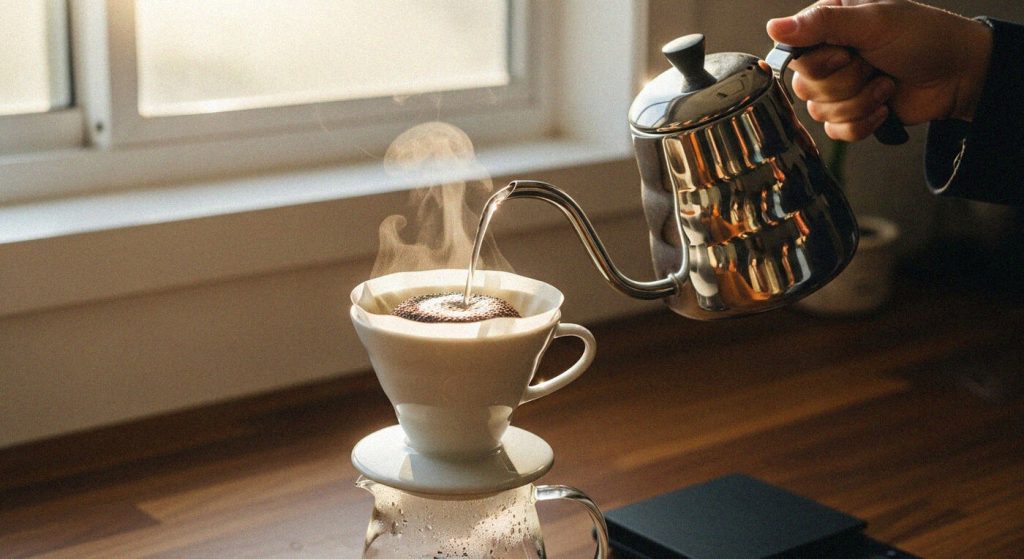
Today, the concept of ‘third wave coffee’ has redefined the cafe experience. This movement emphasizes high-quality, artisanal coffee, focusing on origin, ethical sourcing, and precise brewing methods. It’s about appreciating coffee as a craft, similar to fine wine or craft beer. You’ll find baristas meticulously preparing pour-overs, latte art reaching new levels of sophistication, and a genuine passion for the bean evident in every detail.
For those looking for inspiring spaces to work or simply unwind, many modern cafes offer precisely that. The ambiance, the background hum of conversation, and the ever-present aroma of freshly brewed coffee create an ideal environment. This appreciation for the *cafe* as a destination is a testament to coffee’s enduring cultural significance.
The Health Halo: Surprising Benefits of Your Daily Brew
Beyond its invigorating effects and cultural charm, coffee is a powerhouse of potential health benefits. Rich in antioxidants, a single cup can contribute significantly to your daily intake. These compounds help combat oxidative stress in the body, which is linked to aging and various chronic diseases.
Research suggests that regular, moderate coffee consumption can be associated with a lower risk of several serious health conditions. These include:
- Type 2 Diabetes: Studies have shown a correlation between coffee intake and a reduced risk of developing type 2 diabetes.
- Neurodegenerative Diseases: Coffee may offer protection against diseases like Parkinson’s and Alzheimer’s.
- Liver Health: It appears to have protective effects on the liver, potentially reducing the risk of cirrhosis and liver cancer.
- Depression: Some research indicates that coffee drinkers may have a lower risk of depression.
The caffeine itself offers cognitive benefits, enhancing alertness, focus, and memory. However, it’s crucial to consume coffee in moderation. Excessive intake can lead to anxiety, insomnia, and digestive issues. The key is balance, enjoying coffee as part of a healthy lifestyle.
FAQ
Q: What are the main health benefits of drinking coffee?
A: Coffee is rich in antioxidants, which can help protect your cells from damage. Studies suggest it may be associated with a lower risk of type 2 diabetes, certain neurodegenerative diseases like Parkinson’s and Alzheimer’s, and liver conditions. It can also boost alertness and improve mood.
Q: What is ‘third wave coffee’?
A: Third wave coffee is a movement that treats coffee as an artisanal product, similar to wine or craft beer. It focuses on the origin of the beans, ethical sourcing, sustainable practices, and precise brewing methods to highlight the unique flavor profiles of coffee from specific regions and farms.
Q: How can I improve my home brewing?
A: Start with fresh, high-quality beans and grind them just before brewing. Invest in a good grinder and a quality brewer (like an AeroPress or a pour-over setup). Pay attention to your water temperature and the coffee-to-water ratio. Experimenting with different brewing techniques and grind sizes is key to finding what you like best.
Q: Is there a difference between coffee shops for working and cafes for socializing?
A: While many cafes serve both purposes, some are designed with remote workers in mind, offering ample power outlets, good Wi-Fi, and a quieter atmosphere. Social cafes might have a more bustling, communal feel, encouraging interaction. When looking for aesthetic cafes for remote work, consider noise levels and available amenities.
Final Thoughts
Coffee is a journey, not just a beverage. It’s a testament to global trade, cultural exchange, and the simple pleasure of a well-crafted drink. Whether you’re a connoisseur meticulously exploring third wave coffee brewing techniques or someone who simply cherishes their morning cup as a vital part of their morning routine, there’s always more to discover and appreciate.
From the legendary origins in Ethiopia to the sophisticated cafes of today, coffee has woven itself into the fabric of our lives. Its health benefits are impressive, its cultural impact undeniable, and its ability to connect us, even momentarily, is profound. So, next time you brew a cup, take a moment to savor it – you’re part of a rich, global tradition that’s well worth being obsessed with.